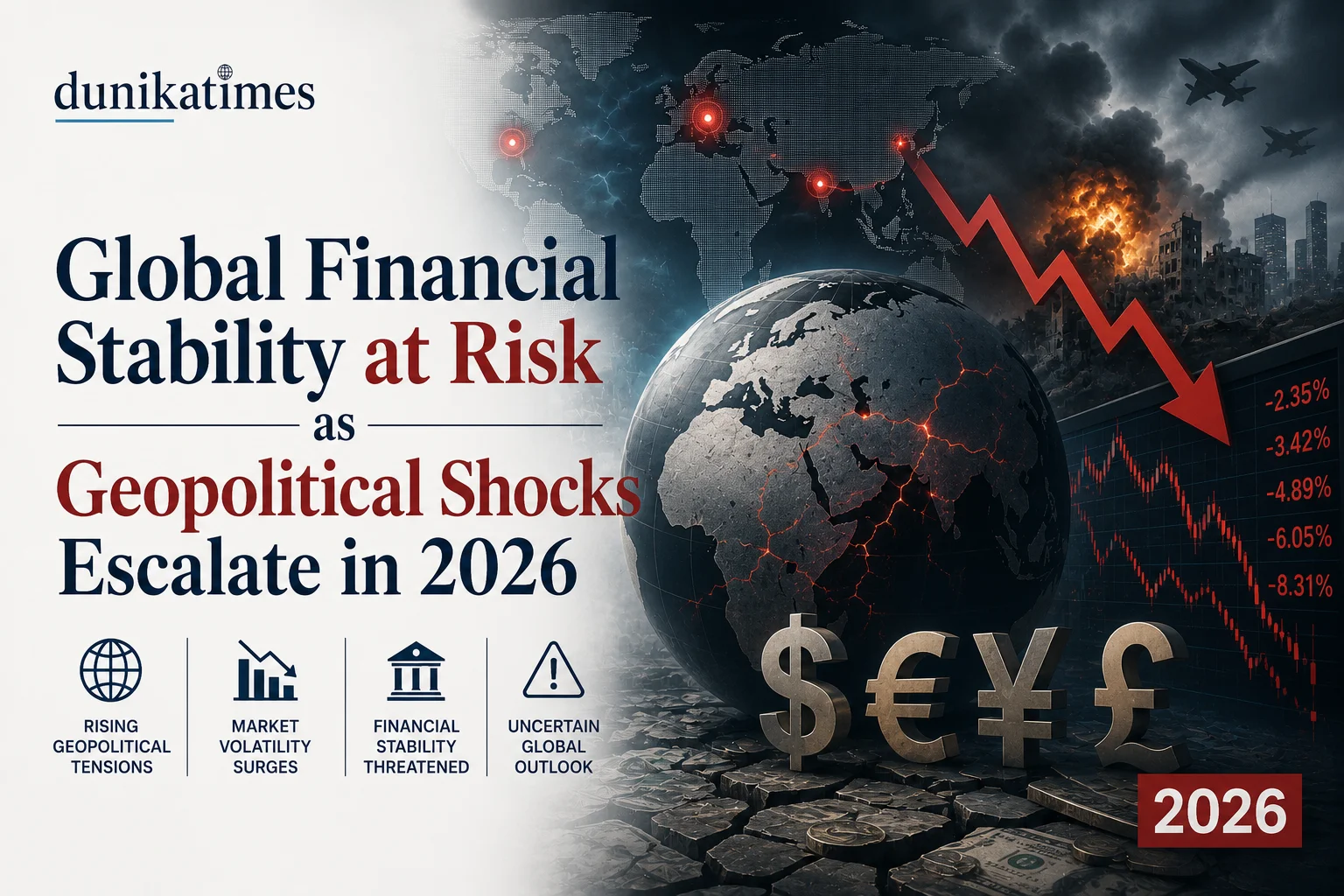
Sydney / Washington: The global financial system is bracing for severe turbulence. In newly published economic bulletins from global reserve banks and the International Monetary Fund (IMF), top economists are issuing stark warnings that escalating geopolitical conflicts are now the primary threat to the world economy.
A new framework report released this week highlights that the nature of economic risk has fundamentally changed. Markets are no longer just dealing with inflation or bad loans; they are facing sudden, unpredictable shocks driven by international warfare, trade fragmentation, and cyber-attacks.
🔴 The Trillion-Dollar Cost of Conflict
The reports point to several critical stress channels affecting global markets:
- Commodity Shocks: Ongoing conflicts in the Middle East are causing severe disruptions in the supply of crude oil, natural gas, and fertilizers. This is raising input costs for businesses worldwide and forcing global inflation back up.
- Financial Cyber Warfare: Central banks are warning of novel security threats, including state-sponsored cyber-attacks aimed at global financial infrastructure. Disinformation campaigns designed to trigger sudden “bank runs” are now considered a top-tier threat.
- Trade Tariffs: As countries scramble to protect their domestic industries, new tariffs and capital restrictions are shifting cross-border investments and severely fragmenting the international financial system.
DuniKa Times Takeaway: The era of predictable global markets is over. Multinational corporations and global investors must now heavily factor war, sanctions, and cyber-threats into their daily operations. The cost of global conflicts is no longer isolated to the warzone—it is actively draining trillions from the global economy.